What I Mean By “Colored Book Pages”
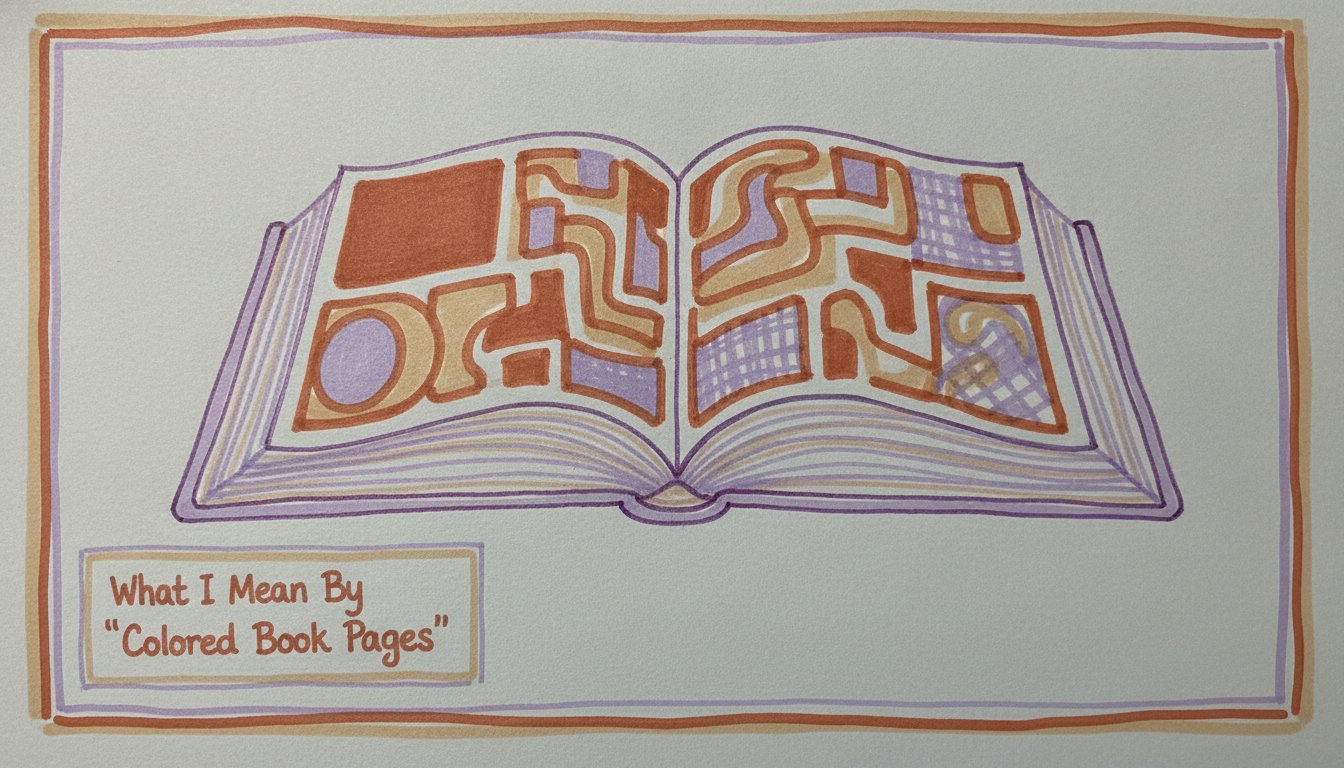
The phrase “colored book pages” covers two things: the line-art coloring pages printed in a book, and those same pages once you have filled them with color. You use them by choosing a page that suits your supplies, testing colors on scrap paper first and working light to dark. This guide mostly covers finished adult coloring pages and how to get better results from them. If you want some background on the format, there is Wikipedia’s overview of coloring books.
I color at my small table in Sheffield with a pot of tea after early bakery shifts. I started two winters ago with a charity shop book and a tin of pencils I found in a drawer, so the advice here comes from real afternoons of testing pages, papers and pencils. No expensive supplies or art skills are needed. If you love coloring or want to relax and unwind after a long day, you are already ready. If pencils are all you have, I wrote a bit about starting out with colouring pencils.
Types of Colored Book Pages You’ll Come Across
Pages behave differently depending on what is printed and how you color them, which changes the technique and tools you reach for. Here are the main types.
Flat, Simple Colored Book Pages
These are pages of solid areas with little shading, such as simple mandalas, large florals and bold designs in a children’s style. They suit beginners, tired brains after work and budget pencils, crayons or felt tips. Stress relief coloring pages are often designed for easy coloring in exactly this way, and they include animals, landscapes and flowers. Focus on clean edges, a limited palette and even pressure rather than fancy blending.
Layered, Shaded Colored Book Pages
Portraits, detailed animals and realistic botanicals where you build several layers for depth. They work best with colored pencils on smoother, medium-weight paper, and suit people who enjoy taking their time. Themed coloring pages like ocean scenes featuring vibrant marine life illustrations or fashion vibes pages with chic clothing and accessories fall into this category when their detail level is high. For some background on the medium, see the Wikipedia article on colored pencils.
Mixed-Media Colored Book Pages
Pencils combined with water-based markers, gel pens or a light watercolor wash on thicker paper. They look vivid and beautiful but need planning against warping, bleed-through and muddy color, so they suit people who already know how their supplies behave.
Background-Heavy Colored Book Pages
Full-page scenes or tiny characters surrounded by space, where soft pencil gradients, pastel or block color change the mood. Colored backgrounds can establish mood or distinguish sections of a page, making the whole illustration feel more complete. Start with a simple vignette or basic sky before attempting anything elaborate.
What To Look For Before You Start Coloring A Page
Spending a minute or two reading the page saves frustration. Check paper, line art, detail and binding before you pick up a single pencil.
Paper Thickness And Texture
Thin paper wrinkles with wet media and dents under pressure, while toothy paper takes more layers but can look grainy. Test in the back of the book before committing to a favorite illustration. My cheapest charity shop book had paper like printer paper, and I wrecked two pages by pressing a dark marker too hard. Now I always slip a spare sheet behind the page, which costs nothing and saves tons of heartache.
Line Art Style And Print Quality
Bold outlines stay visible even under dark hues, while fine, delicate lines vanish under strong pigment. Heavy black ink can smudge under warm hands, and faint grey lines disappear if you layer too much. Choose bolder line art when your eyes are tired after work, because maintaining readability with color contrasts is essential even in a hobby book.
Level Of Detail And Time Commitment
Dense, tangled designs behave differently from open spaces. I have a few abandoned mandalas that prove going straight for the most intricate page backfires, so pick a page with a variety of large and medium spaces and match it to your energy.
How The Book Is Bound
Glued, stitched and spiral bindings differ in how well they lie flat, and spreads near the gutter are hardest to color smoothly. Clip pages open, choose tear-out books, or put a firm board under the page.
How To Choose Supplies For Better Colored Book Pages
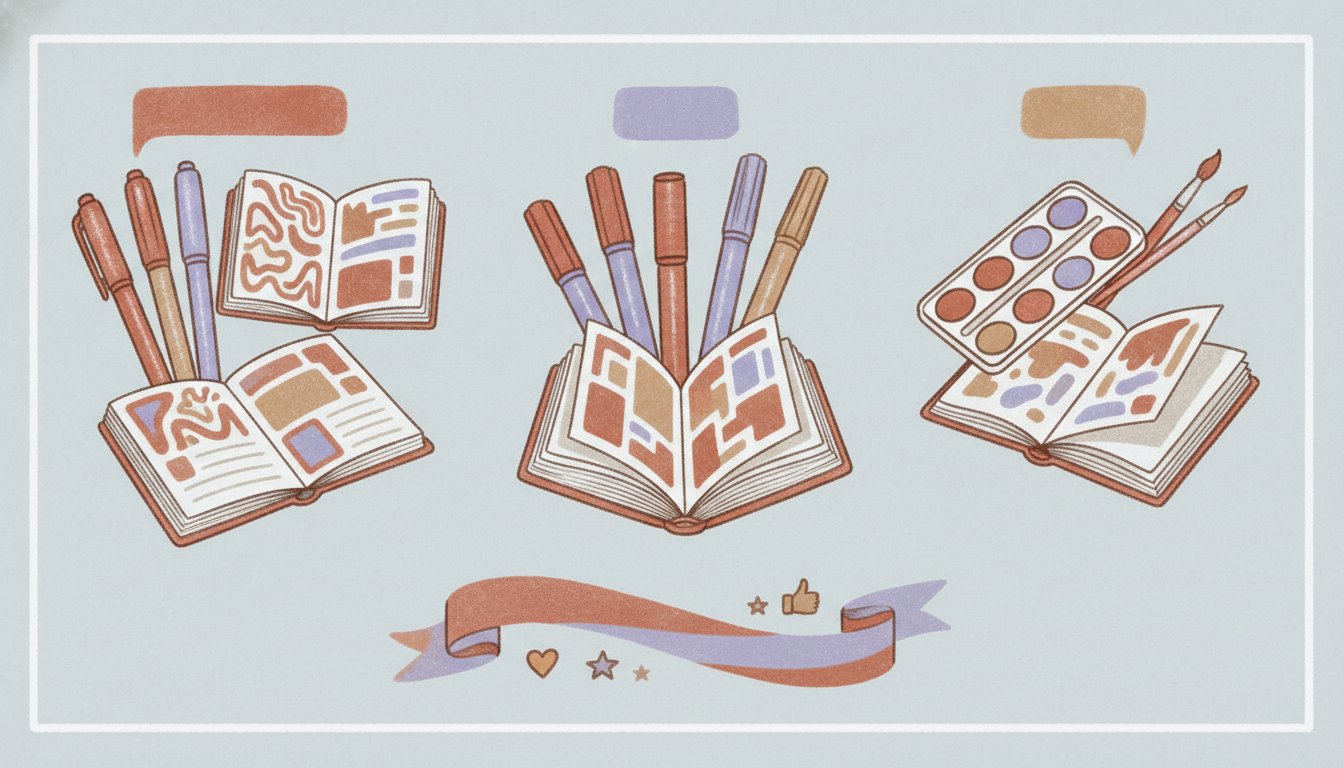
Many of us start with whatever pencils are in a drawer, then slowly improve. I focus on affordable UK brands, but the principles apply anywhere.
Coloured Pencils For Everyday Pages
Choose reliable budget pencils such as Staedtler Noris Club, Castle Arts or Arteza over waxy supermarket sets. Soft cores suit layering and harder cores suit tiny details. My rule is to spend a little more on pencils than on the book, since good pencils create a more enjoyable experience on almost any page. Vibrant colors can improve memory and information retention for kids too, so decent pencils matter for young colorists as well. My shortlist is in the colored pencils I would recommend.
Markers, Brush Pens, And Bleed-Through
Water-based markers, alcohol markers and brush pens each affect the back of the page differently. Always put scrap paper underneath, and skip markers entirely in thin, double-sided coloring books. Every marker I have used has surprised me at least once, so swatch first.
Extras That Make Pages Look More Finished
A white gel pen for highlights, pastel or chalk for backgrounds, and a blending pencil or colorless blender. None are needed on day one, but one or two small tools lift a colored page a lot. Experiment on test pages first.
How To Turn A Blank Illustration Into A Finished Colored Page
Here is the order I follow on a typical A4 page, in scannable steps.
Step 1: Pick A Colour Scheme Before You Touch The Page
Choose four to six colors plus a neutral such as warm grey or cream, rather than using every hue once. A restrained palette looks more polished. Take cues from a January Sheffield sunset or Peak District autumn trees, and swatch the colors on scrap paper because they look different on the page than in the tin. Colorful pages support engagement and understanding, and a thoughtful palette is the reason.
Step 2: Block In The Largest Areas First
Lightly color backgrounds and big shapes before small details, to keep the color balance and avoid running out of a key pencil. Work top left to bottom right if you are right-handed to avoid smudging.
Step 3: Build Up Layers And Shading
Go light to dark: lightest shade over the whole area, then mid tones, then the darkest touches where shadows fall. It is much easier to add color than remove it. Pick a light source and keep shadows consistent. On typical book paper, three to five layers is usually the limit before the surface stops accepting pigment. I explain more in how I blend colours with pencils.
Step 4: Add Details And Texture
Wood grain on shelves, fur strokes on cats and leaf veins in slightly darker pencils. Keep it short. Step back and check the page from across the room, because distance reveals what still needs work and what is already finished.
Step 5: Finishing Touches And Fixing Small Mistakes
White gel pen, metallic touches or a soft pastel background at the very end. Rescue slips with a kneaded eraser or by covering them with darker colors or patterns. Some pages become learning pages, and that is fine. Coloring can provide a moment of stress relief even when the result is imperfect.
How To Choose Which Pages To Colour First
Many of us freeze in front of a new book for fear of ruining the best illustration. A few practical criteria help you continue making progress instead of stalling.
Match The Page To Your Energy And Time
Small, simple designs for twenty to thirty minute sessions after work, and big spreads for weekends. I save detailed pages for calm afternoons because smudges and wobbly edges are likelier when rushed. Free coloring pages are ideal for rainy days and classroom activities with kids, so print a few simple ones for low-energy evenings too. You can download and print free coloring pages as often as desired, making them perfect for practice.
Start With The Pages You Like, Not The Ones You Think You “Should” Do
Pick teapots, dragons or garden scenes that make your soul happy. Self-care coloring pages that capture comforting everyday moments work wonderfully for this. Enjoying the page keeps the habit going and improves your coloring faster than forcing dull ones. Colors in children’s books can help create positive associations with reading, and the same principle applies to adults: fun pages build joy and creativity.
Use “Practice Pages” To Experiment
Keep one book you are not precious about, like my charity shop find, to test color combinations and techniques. Colored pages can transform books into more engaging and organized learning experiences, so treat your practice book as a device for discovery rather than something to get right first time.
Enjoying Your Colored Book Pages
Choose pages and supplies that suit your life, take your time and let the process be the point. Books with colored pages enhance visual comfort and engagement, and tinted backgrounds help reduce visual stress, so even the paper you pick contributes to how relaxing the session feels. Turn finished pages into framed favorites, handmade cards, bookmarks or a dated folder that shows your progress. Books featuring colored edges have surged in popularity driven by social media, and decorative colored edges can add aesthetic value and collectible appeal, so do not underestimate how beautiful your finished work can look on a shelf.
Make a pot of tea, pick up a book you already own and try one small change on your next page.
FAQ
Why Do My Colored Book Pages Look Streaky Or Patchy?
The usual causes are pressing too hard too soon, cheap waxy crayons or pencils, and changing stroke direction from one pass to the next. Fix this by using lighter layers and small circular motions, then gradually building up pressure. A slightly lighter pencil run gently over the top can smooth everything out.
How Do I Stop Markers Bleeding Through The Page?
Alcohol markers nearly always bleed through standard coloring book paper. Use single-sided books, slip card or a spare sheet behind the page, or switch to water-based markers for books you want to keep clean on both sides.
Can I Fix A Colored Page That Has Gone Muddy?
Muddy means colors turn greyish or brown where too many layers overlap. Add deeper shadows to make the muddiness look intentional, introduce a fresh accent color for contrast, or turn the scene into a night scene with dark blues over the overworked areas. Different background colors can improve information chunking and organization, so sometimes a bold background rescues a struggling page.
What Is The Best Way To Store Finished Colored Book Pages?
Leave them in the book, photograph them on your device, or carefully remove them into plastic sleeves. In a small flat I keep a mix of bound books and a thin portfolio folder. Scanning or photographing lets you share your work and track your progress without taking up shelf space.